

Leadership
Prof Yi-Chin Toh
Centre Director; Research Program 1 Lead
QUT
Explore the researchers, industry partners and leaders contributing to MiPSET’s collaborative research and training community.
Centre Director; Research Program 1 Lead
QUT
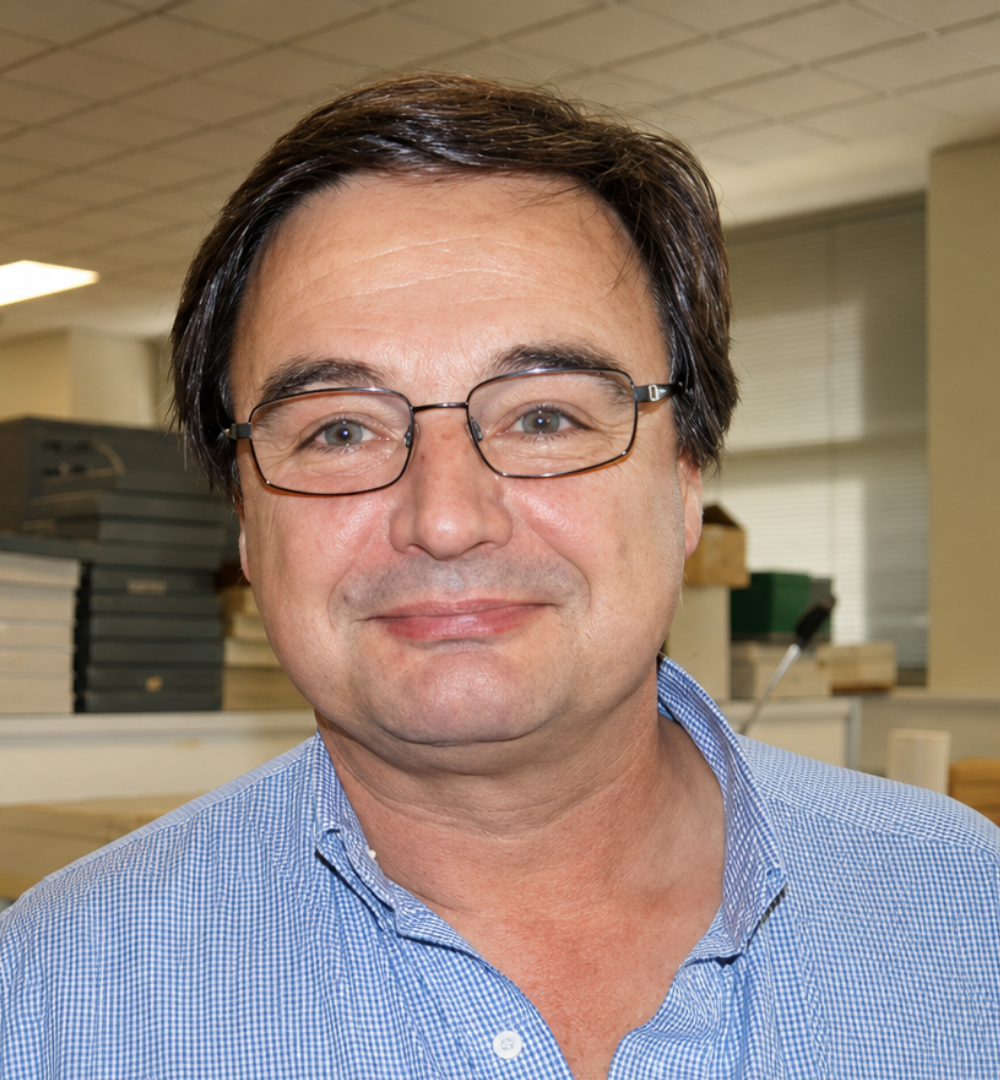
Deputy Director; Research Program 2 Lead
University of Melbourne

CI; Research Program 3 Lead
Monash University

CI; Training Co-Director (Biodesign & Commercialisation)
UWA

CI; Training Co-Director (Regulatory, Manufacturing, Professional Development)
QUT


Respiratory Virology, Human Airway Tissue Models
QUT
University Profile

Cardiovascular Biomechanics, Microfluidic Vascular Models
QUT
University Profile
Tissue Engineering & Biofabrication, Entrepreneurship
QUT
University Profile

Cellular Immunology, Immune-Environment Responses
QUT
University Profile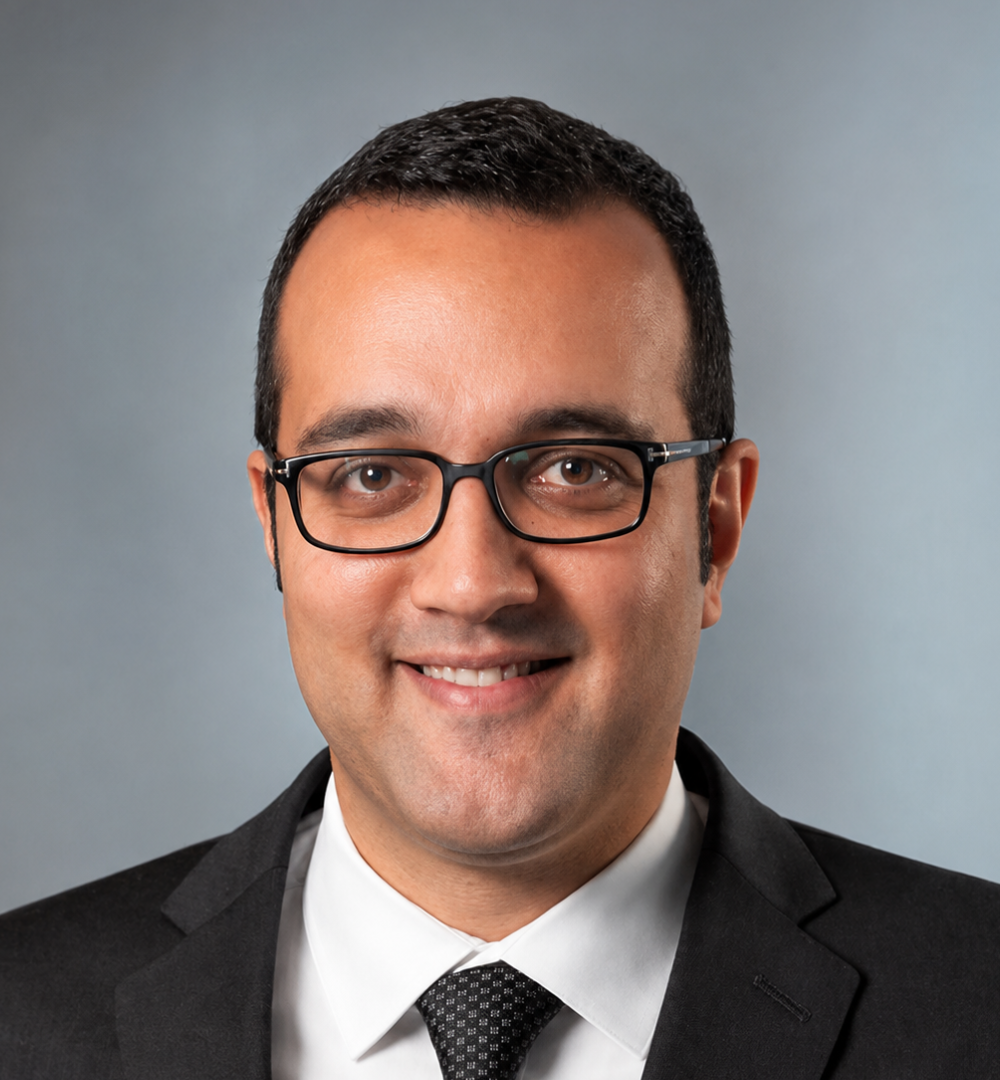
Microfluidics for Reproductive Health
Monash University
University Profile
Tissue Models, Biomaterials & Bioprinting
Monash University
University Profile
Translational Pharmacology, Cardiovascular Drug Design
Monash University
University Profile
Micro/Nanotechnologies, Biosurfaces & Microsystems
Monash University
University Profile
Microsystems Engineering, 3D Bioprinting
University of Melbourne
University Profile
Machine Learning, AI, Precision Medicine
University of Melbourne
University Profile
Imaging & Spectral Sensor Technologies
University of Melbourne
University Profile
Environmental Effects on Reproductive Health
UoM / Monash IVF
University Profile
Live Cell Biophysical Assays, BRET Technology
UWA
University ProfileAdvisory Board members will be added once details are available.